
Production AI Agent Systems
Architecture, tools, memory, evaluation, security and deployment for AI Agents that must operate beyond a demo.
Decision Paths
Start from the decision you need to make now, then enter the deeper topic map.
First Agent: decide the boundary
Confirm whether a deterministic workflow is enough before adding planning, tool choice and agent runtime complexity.
High-risk tools: add authorization
Put authorization, approval, argument policies, sandboxing and audit between model output and real execution.
Long-term memory and RAG
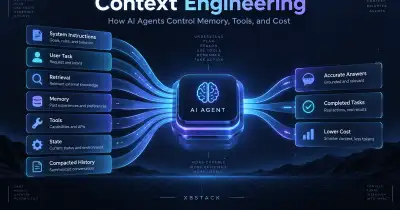
Separate session state, user memory, business state and knowledge retrieval before choosing write-back behavior.
Prepare for production
Add evaluation, observability, security, recovery, cost controls and human fallback before rollout.
Primary Paths
All AI Engineering
Browse the complete reviewed English AI engineering library.
AI Agent Security Infrastructure
Identity, authorization, approval, sandboxing, MCP security, retention, audit and incident response for production agents.
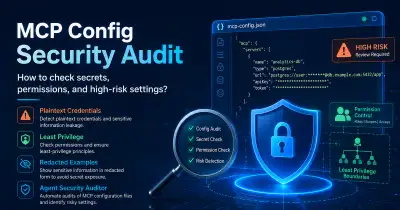
Agent Security Auditor
Check agent and MCP configurations for shell, secret, permission, retention and runtime-control risks without uploading the configuration.
Agent Side-Effect Evaluator
Grade agents by terminal backend state, required/forbidden side effects, duplicate actions, false success and repeated-run consistency.
OpenAI Agents SDK RunState Approval & Resume
Reproduce tool approval, cross-process RunState resume, rejection, idempotency and streamed-resume persistence.
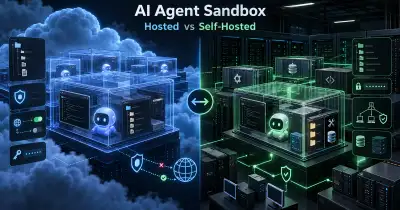
AI Agent vs AI Assistant
Compare execution autonomy, tool use, state, retries and approval boundaries before choosing an architecture.
AI Email Routing Agent
Turn shared inbox messages into auditable, SLA-bound tickets with human fallback.