
MCP From Protocol to Production
Model Context Protocol implementation, transport, authentication, security, tool governance and production deployment.
Decision Paths
Start from the decision you need to make now, then enter the deeper topic map.
Do I really need MCP?
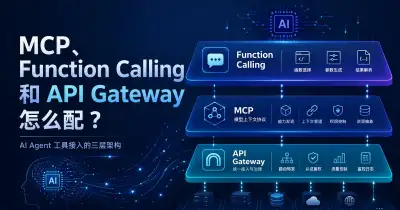
Use direct function calling for narrow in-app tools; use MCP when discovery, reuse, independent deployment and governance matter.
Build the first MCP server
Start with stdio, local tools and schema boundaries in a controlled environment.
Deploy a remote MCP server
Move into Streamable HTTP, session/stateless behavior, proxies and replica boundaries.
Add real identity and permissions
Continue with OAuth, least privilege, secret isolation, security review and production governance.
Primary Paths
All AI Engineering
Browse the complete reviewed English AI engineering library.
MCP Tool Result Truncated
Diagnose truncated tool results with pagination, cursors and protocol/SDK boundaries instead of silently dropping data.
MCP -32700 JSON-RPC Parse Error
Trace stdio framing and stdout contamination that causes JSON-RPC parse failures.
MCP Streamable HTTP Deployment
Deploy Streamable HTTP with the correct transport, session and production proxy boundaries.
MCP OAuth Authentication
Design identity, token and authorization boundaries for remote MCP servers.
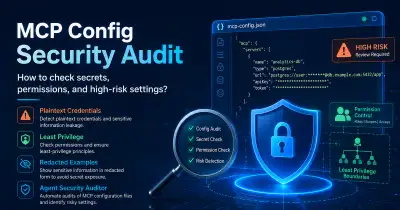
MCP Security Best Practices
Treat tools, server instructions, remote integrations and authorization as explicit trust boundaries.
MCP Production Governance
Add observability, version control, rollback, audit and operational controls after the server works.
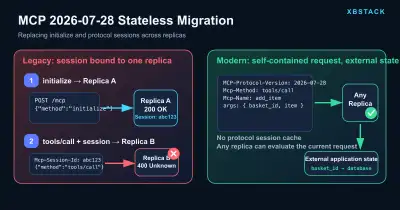
MCP Stateless Migration
Understand session and request-state boundaries when scaling Streamable HTTP across replicas.