


Xiaobai
Developer · Builder
Building AI engineering systems, developer tools and long-term digital assets at XBSTACK.
About Xiaobai & XBSTACK →
Coolest Places in Guizhou for Summer: Guiyang, Liupanshui, Xingyi or Weining?
A detailed comparison of Guiyang, Liupanshui, Xingyi and Weining that explains where to stay, what to do, what to eat, how long to stay and who each destination suits.
Looking for the coolest place in Guizhou in July or August? Weining and Liupanshui feel cooler and more highland-oriented, but the best base depends on what you actually want to do. Choose Guiyang for the easiest first trip, Liupanshui for a cooler long stay, Xingyi for karst scenery over several relaxed days, and Weining for a high-altitude wetland climate. This comparison uses climate, altitude, transport, scenery and trip length rather than treating one temperature number as the answer.
| If your priority is… | Start with… | Why |
|---|---|---|
| The easiest first trip | Guiyang | Best transport, city services, food and rainy-day backup plans |
| A cooler multi-day stay | Liupanshui | Stronger long-stay climate advantage, with scenic areas spread around the city |
| Karst scenery over 3–5 relaxed days | Xingyi | Wanfenglin, Maling River Canyon and Wanfeng Lake fit naturally into separate days |
| Plateau wetland weather and birding atmosphere | Weining | Higher elevation, stronger day-night swings and the most distinct highland feel |
Every July and August, the question gets reduced to a temperature contest. One chart says Weining averages around 18°C, Liupanshui around 19°C, Guiyang roughly 22–23°C, and Xingyi a little warmer, so the obvious answer seems to be: pick the lowest number. Plan a real trip that way, though, and the weaknesses of the method show up quickly.
All four places are marketed as summer destinations, but they are not the same kind of place. Guiyang is a full provincial capital where the airport, high-speed rail, metro, markets, parks and nearby mountain trips sit inside one daily-life network. Liupanshui works more like a cool base where staying put is part of the value, while Wumeng Grassland, Meihuashan and Yeyuhai sit in different directions. Xingyi is strong because Wanfenglin, Maling River Canyon and Wanfeng Lake can be separated into several relaxed days. Weining has a different texture again: plateau elevation, Caohai wetland, stronger wind, intense sun and larger day-night temperature swings. It is genuinely cool, but it also feels unmistakably high-altitude.
So rather than rank them one through four, this guide looks at each place as a place to live in for a few days: where to stay, what a normal day looks like, what is actually worth seeing, what to eat, how long to stay and what trade-offs disappear from a simple climate table.
Guiyang: not the coldest, but the easiest place to make a summer trip feel comfortable
For a first trip to Guizhou with only three to five days, Guiyang is still the safest base. Its appeal is not that it beats Liupanshui on temperature. It is that Guizhou’s milder summer climate comes with the convenience of a major city.
Guiyang’s 2026 official city profile gives an average summer temperature of about 22.3°C. After a few days, however, what you notice more is the combination of cooler mornings and evenings, cloudy periods, the relief after rain, and the number of backup plans available when a storm ruins the original schedule. On a good day you can go to a park, riverside area or nearby mountain route; on a wet day you can stay in the city, eat, shop and go out again at night. In summer 2026, metro operating hours were extended and selected late services connected areas such as Qingyun Market, Jiaxiu Tower, Penshuichi and Qianlingshan. Being able to stay out after 10 p.m. without worrying about getting stranded is a kind of convenience Liupanshui and Weining cannot match as easily.

Where should you stay in Guiyang? Start with the kind of day you want
If this is your first visit and you want food, evening walks and old-city atmosphere within easy reach, staying around the central districts makes sense. Penshuichi, the Nanming River, Jiaxiu Tower and Qingyun Market are easier to combine from here. The advantage is not necessarily cheaper hotels; it is returning at the end of the day without another long transfer and still having a complete city outside the hotel door.
If newer hotels, shopping centers, wider roads and a more modern environment matter more, Guanshanhu can be more comfortable. Guiyang North railway station is also easier to reach. The trade-off is distance from older Guiyang. If you want breakfast in the old center and a night market every evening, you need to include the round-trip time.
Huaxi is another answer when the goal is a slower stay rather than downtown sightseeing. Huaxi Park, the Shili River corridor and the university area feel less compressed, while Qingyan and Gaopo are easier to approach from the south. It feels more like spending time in Guiyang than trying to finish Guiyang in two days.
That flexibility is Guiyang’s real summer advantage. You can walk Qianlingshan in the morning, return to the city if rain arrives, and save Huaxi, Gaopo or another half-day route for a clearer window. For families, older travelers and anyone who dislikes changing hotels every day, that adaptability matters.
How to eat in Guiyang without turning the trip into a checklist
Guiyang works well with a rhythm of walking a little in the morning, sitting down for a proper meal, then going back out at night. Food here is not something to solve with one large dinner. It starts at breakfast.
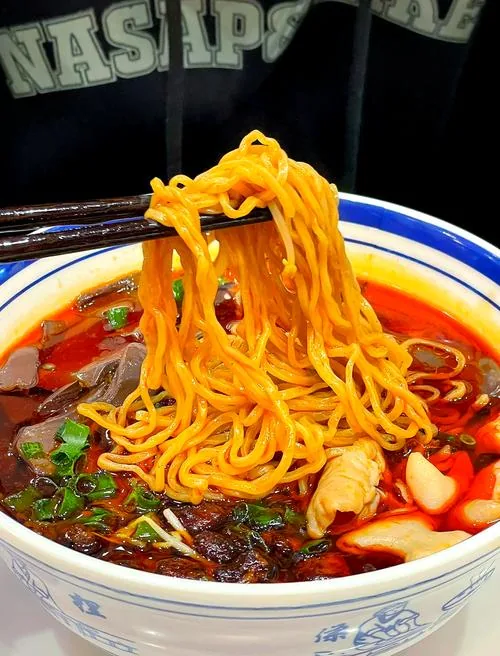
Changwang noodles and Huaxi beef rice noodles are two obvious starting points. Changwang noodles combine pork intestine, blood curd, crispy pork bits and noodles into a much heavier breakfast than the name suggests. Beef noodles are easier if you want something simpler. At lunch, sour soup, spicy chicken, Kung Pao chicken and dishes built around Guizhou’s fermented chili flavors are easy ways into the local kitchen. Later in the day, siwawa vegetable wraps, tofu balls, laoguo griddle dishes and crispy duck show more of the city’s snack culture.
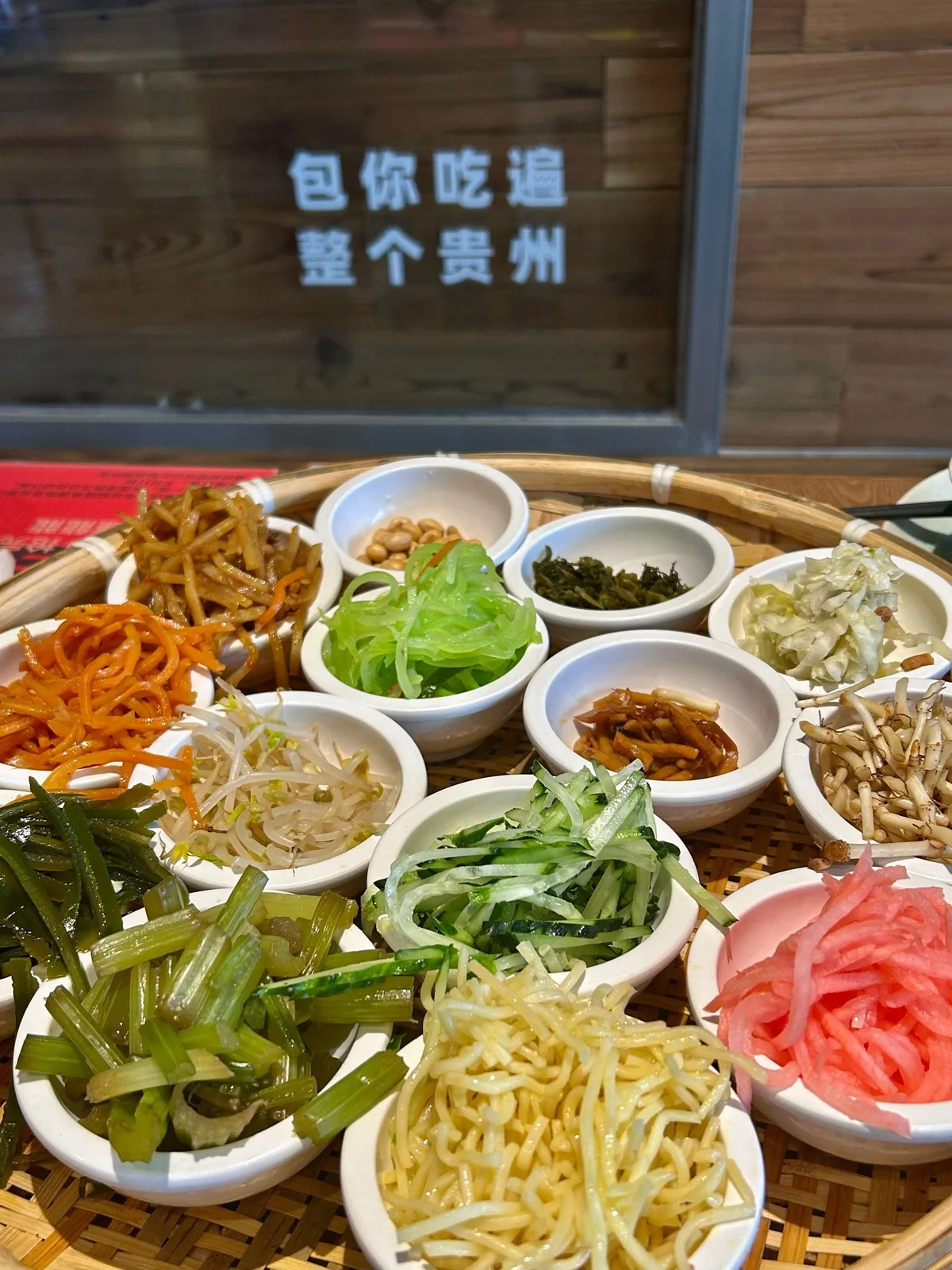
Siwawa looks light: a thin rice wrapper around shredded vegetables, houttuynia, kelp, cucumber and other fillings. The dipping sauce does much of the real flavor work. Laoguo moves in the opposite direction, with meat, tofu, potatoes and vegetables cooking slowly on a griddle while people sit around the table. Guiyang’s official tourism and food materials repeatedly feature laoguo, siwawa, crispy duck and sour-soup dishes as local signatures. For a first-time visitor, they are more memorable than simply searching for “Guizhou cuisine.”
If you go to Qingyun Market or the Minsheng Road area at night, do not turn it into a race through every viral stall. Guiyang is better when noodles, snacks, griddle food and home-style Guizhou dishes are spread across several days. The city rewards eating while you live there, not trying to complete a food ranking.
Guiyang suits first-time visitors, families with older parents or children, trips of only three to five days, and travelers who want food and city convenience without giving up a milder summer climate. If “less logistical friction” counts as part of a summer escape, Guiyang becomes more attractive than the temperature table suggests.
Liupanshui: stay a few days and the logic of “China’s Cool City” starts to make sense
The difference between Liupanshui and Guiyang often becomes clearer on day two or three. In Liupanshui, you do not always need a famous attraction on the schedule every day.
Liupanshui has long used the “China’s Cool City” identity, with public local materials commonly describing an average summer temperature around 19.7°C. For travelers arriving from places such as Chongqing, Changsha, Guangzhou or Wuhan, the change can feel immediate. After a week, the bigger difference is often not another sightseeing stop but the simple fact that walking outside during the day feels less punishing, evenings can require a light layer, and air-conditioning stops being a basic travel requirement.
A common mistake in travel guides is to group Wumeng Grassland, Meihuashan and Yeyuhai together as if they were all next to central Liupanshui. They are spread across different areas, and they produce very different kinds of days.
If you mainly want a cool place to live for a while, use Zhongshan District as the everyday base
Central Liupanshui is largely in Zhongshan District. For a first visit, it is the practical choice if you do not want every day consumed by transfers. Restaurants, shopping and everyday transport are easier here, and Shuicheng Ancient Town can be saved for the evening. Meihuashan is relatively easier to arrange from the central area and can work as a half-day or full-day mountain outing rather than a reason to move hotels.
Meihuashan is not one open meadow. It is a large mountain resort combining cableways, forested slopes, mountain views and recreational facilities. That makes it workable for families and for travelers who want highland scenery without a hard hike. Local summer tourism materials have repeatedly treated it as one of the major cool-weather destinations accessible from the central city.
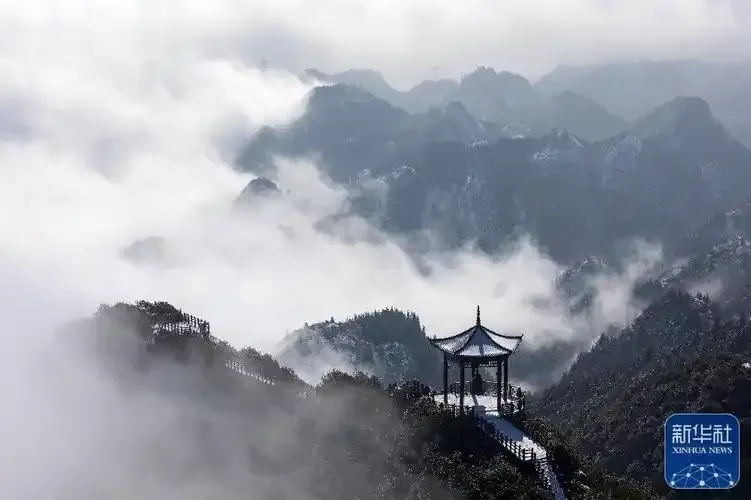
Yeyuhai, in Shuicheng District, creates a different atmosphere. Forest, plateau scenery, Yi cultural elements and resort lodging sit together. If the idea is to stay in a guesthouse, spend more time outside and slow the pace, it can be treated as its own stop rather than forced into the same day as Wumeng Grassland.
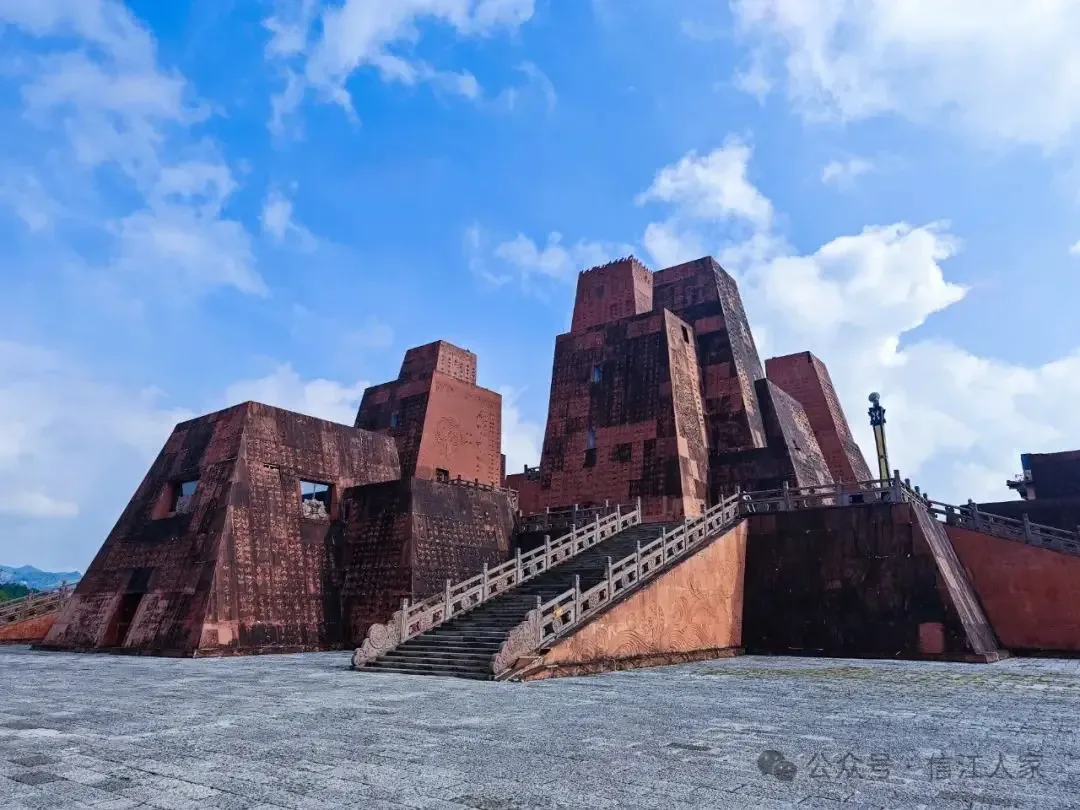
Wumeng Grassland is not a quick side trip; give it a full day or even a night
Wumeng Grassland is in Panzhou, not immediately beside central Liupanshui. A 2025 Liupanshui government feature described an average elevation above 2,400 meters, roughly 100,000 mu of high mountain grassland, and summer temperatures commonly around 10–20°C. That combination explains its popularity in hot months: open pasture, wind, cloud, grazing animals and altitude create a kind of coolness that feels very different from the city.
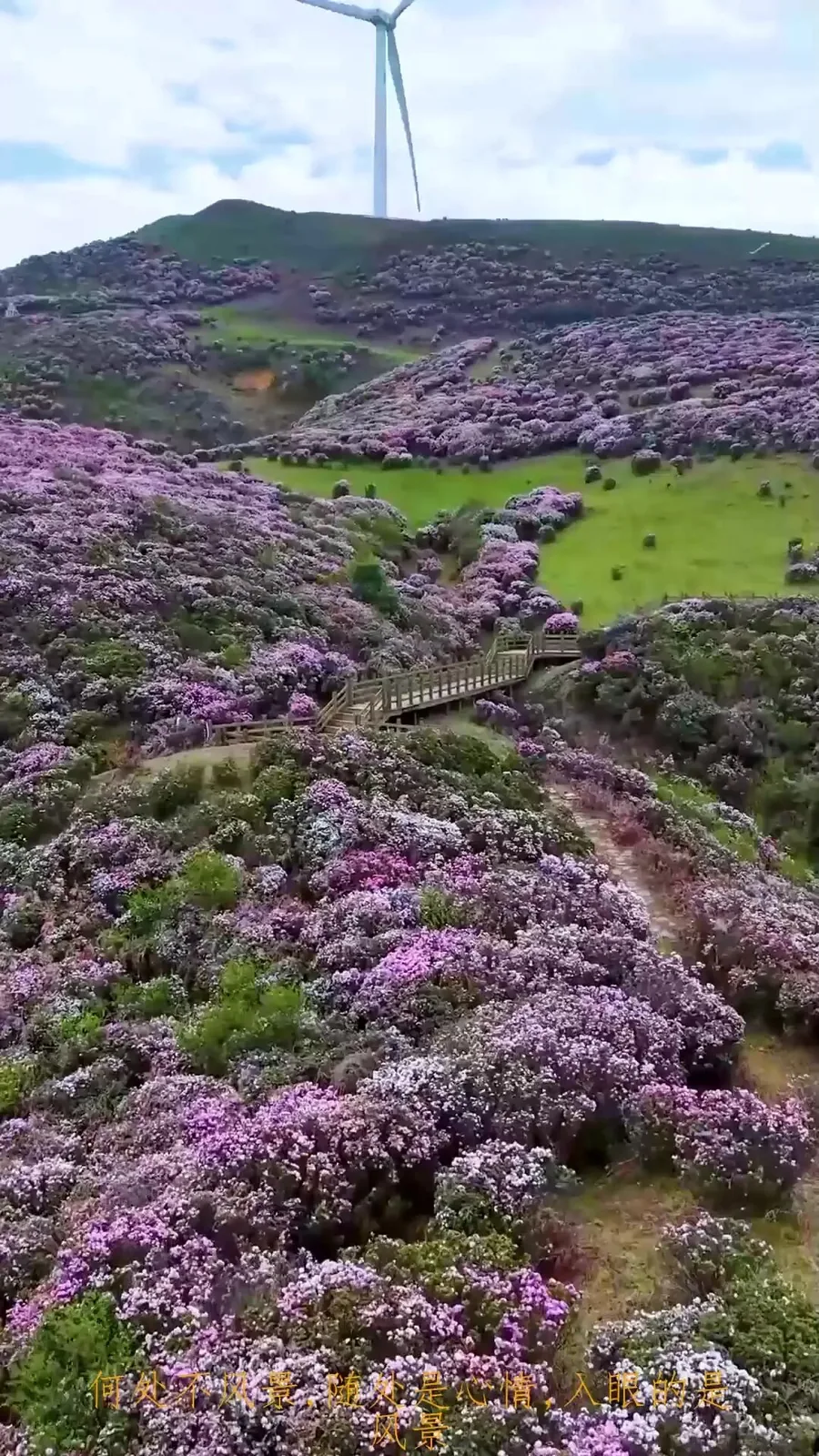
If Wumeng is the main outing of the day, do not add Meihuashan and Yeyuhai just because all three appear on a “must-see” list. Grassland light often improves after midday, and cloud movement changes the landscape. In peak season, vehicle traffic, parking and crowds become part of the plan. Photography, camping, horseback rides with children or simply walking slowly all work better when the grassland is not treated as a box to tick before racing back.
Liupanshui food makes more sense in cool weather
The local food feels heavier and more rustic than Guiyang’s snack-heavy city rhythm, and it fits the climate.
A bowl of Shuicheng lamb rice noodles is one of the easiest ways to start the morning. Liupanshui’s own tourism materials describe it as a local breakfast signature. Hot broth, rice noodles, lamb and local chili taste especially appropriate when the morning air is in the teens or low twenties.

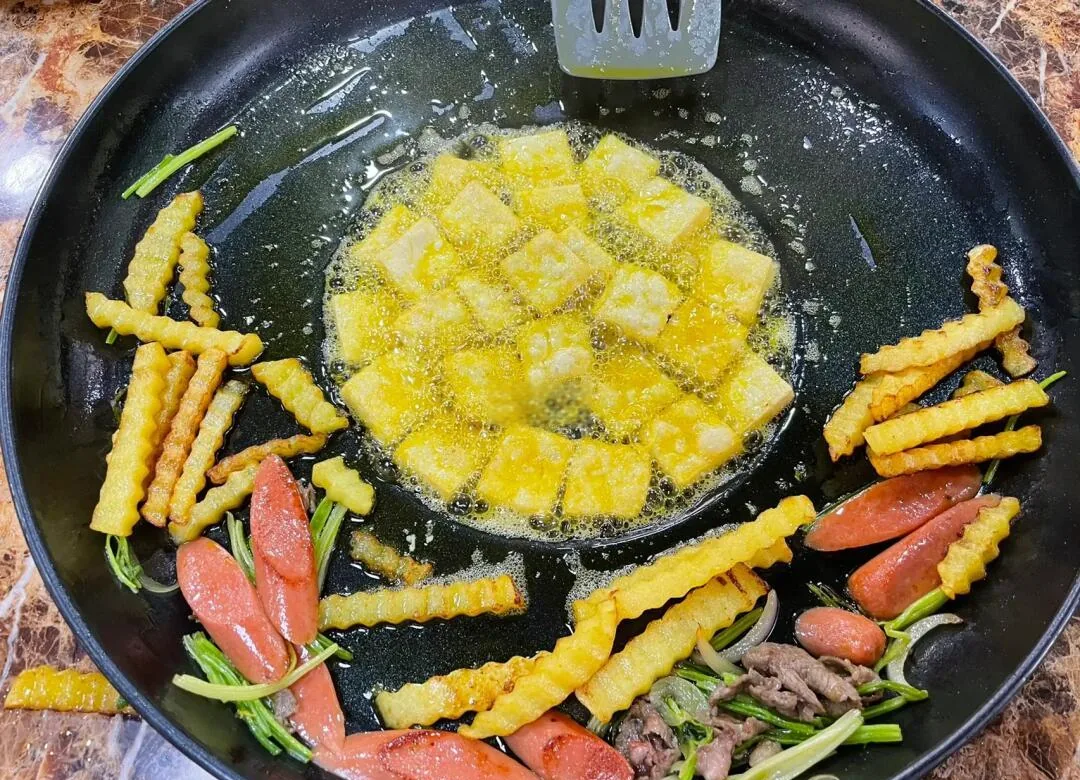
At night, laoguo is difficult to avoid. Shuicheng Ancient Town is promoted as a major gathering point for the local griddle style, alongside lamb hotpot, lamb noodles, steamed sweets, jelly noodles and ice jelly. Laoguo is built for a long meal: meat, tofu, potatoes and vegetables are added gradually, and the dipping mix often matters as much as the ingredients themselves. Liupanshui’s cool summer evenings make sitting around a hot griddle much more pleasant than it would be in a humid lowland city.
So when people ask how many days Liupanshui needs, the answer depends on the purpose. Two or three days can cover one or two highlights. Five days, a week or longer is when the “cool city” identity starts to feel like more than branding. It is a place where lowering the pace is part of the trip.
Xingyi: not simply a warmer Liupanshui, but one of Guizhou’s easiest summer cities to enjoy slowly
Xingyi is often compared with Liupanshui as if the only relevant difference were a slightly higher temperature and therefore a slightly worse “summer value.” That misses the part of Xingyi that makes it worth choosing.
I have stayed for several days near Wanfenglin and also visited Maling River Canyon and Wanfeng Lake. What stayed with me was not the exact temperature on a given afternoon but the way the days could settle into a comfortable pattern: walking, running or cycling near Wanfenglin before the sun rose too high, coming back for breakfast, using the middle of the day for the canyon or lake depending on the weather, then returning to the fields and karst peaks in the evening. The scenery changes from day to day, so the trip never feels like pure heat avoidance.
Public climate descriptions for Qianxinan commonly place summer conditions around 20–25°C, while Wanfenglin’s own materials describe July averages around 21–26°C. That also means Xingyi does not promise cool midday weather every day. Direct sun can still feel strong in the fields and scenic areas. Mornings, evenings, cloudy periods, post-rain air and the canyon environment are where the comfort becomes more obvious.
Wanfenglin is more than a viewpoint you finish in one loop
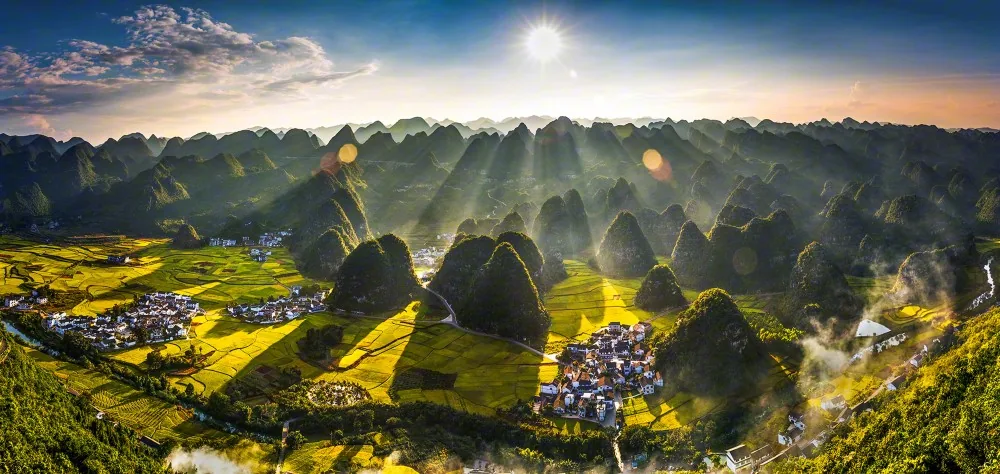
A first visit can make Wanfenglin look like a conventional sightseeing route: take the scenic transport, stop at viewpoints, look down on the patterned fields, villages and karst cones, then leave. That shows the classic panorama, but the reason Wanfenglin works so well for a summer stay is the life below the viewpoints: villages, farmland, guesthouses, breakfast stops and roads where people can walk or cycle.
I prefer the morning. Before the main visitor flow builds, the light across the fields is softer, the cone-shaped peaks stack into the distance, and the villages are already awake. You do not need to hunt continuously for a “photo spot.” Walking through the villages is already part of the experience.
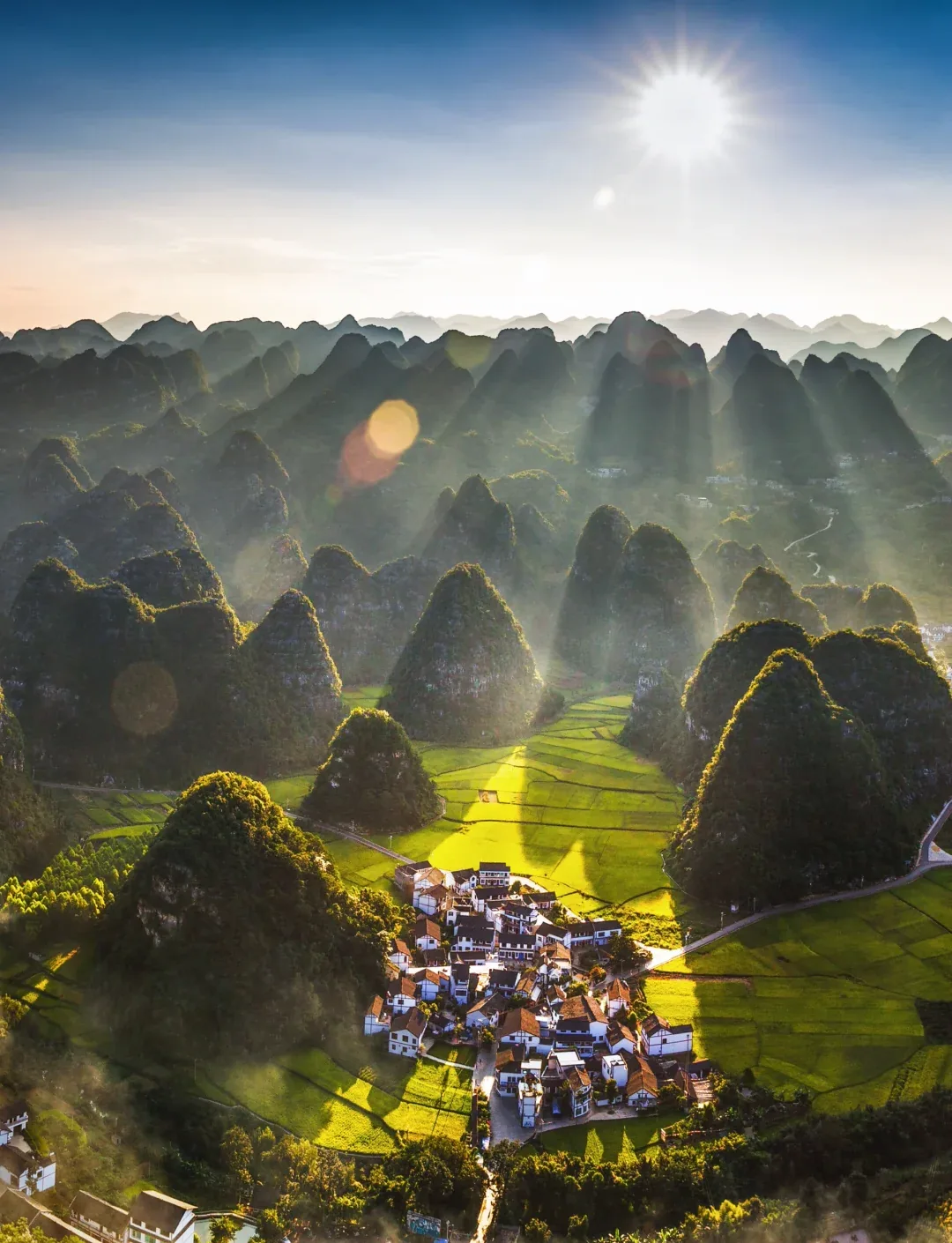
Wanfenglin is now a national 5A scenic area and continues to use timed real-name reservations during the 2026 peak season. In summer, weekends and holidays, checking the same-day notice in advance is still worthwhile. The more mature a scenic area becomes, the easier it is to waste the best hours in lines if every stop is treated as mandatory.
For only one night, downtown Xingyi is simpler for transport and food. For three or four nights, especially if you enjoy running, cycling, farmland and slower mornings, staying near Wanfenglin gives a much better sense of the place.
Maling River Canyon is a completely different day from Wanfenglin
Maling River Canyon deserves most of a day on its own. Once you descend, cliffs, waterfalls, dense vegetation and water vapor change the whole environment. When summer water levels are good, the waterfalls can be dramatic, and official scenic-area materials treat June through September as an important summer period.
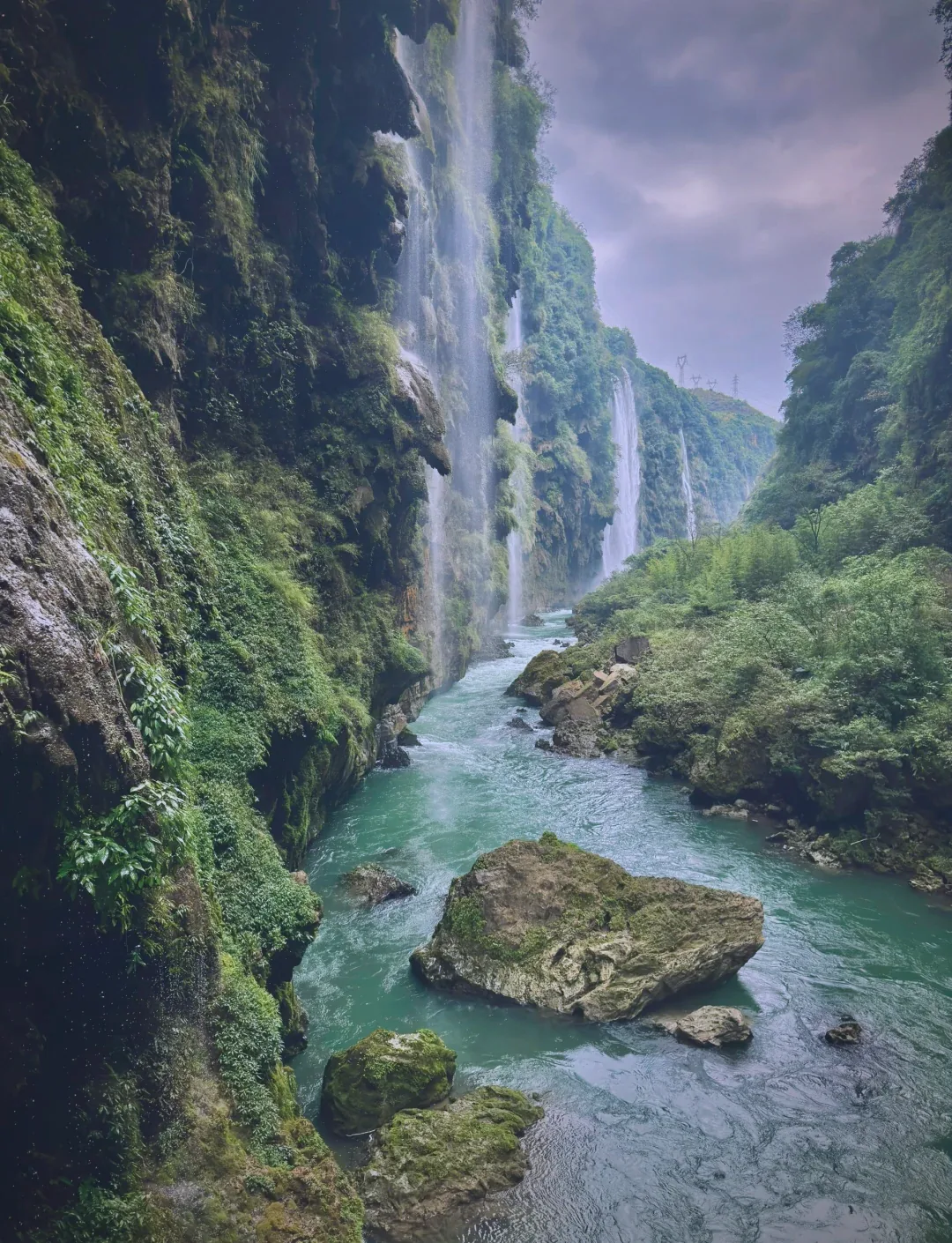
The cooler canyon air should not hide the physical cost. Going down, walking the boardwalk and climbing back is a different workload from an easy morning around Wanfenglin. Rainy-season water can improve the spectacle and increase slippery-surface risk at the same time. Older travelers, people with knee problems or anyone already tired from the previous day should leave room to shorten the route.
That is why I would not force Wanfenglin and Maling River Canyon into the same day. One rewards lingering; the other concentrates effort. Separating them keeps Xingyi from becoming another rushed checklist.
Wanfeng Lake works best when you want a third kind of day: open water and less climbing
Wanfeng Lake has a much larger visual scale than the first two places. It is not a small ornamental lake but a broad reservoir landscape surrounded by karst terrain. Boat trips, open water and long shoreline views fit better than a tightly scheduled hiking day.

After two days around Wanfenglin and one canyon day, Wanfeng Lake is a good way to lower the physical tempo. It does not deliver the concentrated drama of the canyon, but it changes the trip from “peaks and gorge” to “water.” That is one reason Xingyi feels better over three to five days than as a two-day sprint.
What should you eat in Xingyi? Do not stop at one bowl of lamb noodles
Xingyi lamb rice noodles are worth eating, and they are not the same flavor profile as Shuicheng lamb noodles. Xingyi versions often lean more heavily on savory sauces, toasted chili and pickled radish. Over several mornings, trying different neighborhood shops makes more sense than chasing one “official” bowl.
But Xingyi has other foods with stronger local identity, especially shuabato and chicken tangyuan. Shuabato resembles a small open-topped dumpling or siu mai, with meat and bamboo-shoot fillings served with dipping sauce. Chicken tangyuan surprises people because it is not a sweet rice ball dessert. The filling is chicken, and the broth is savory. Local Qianxinan and Wanfenglin tourism materials regularly present these as representative Xingyi foods.
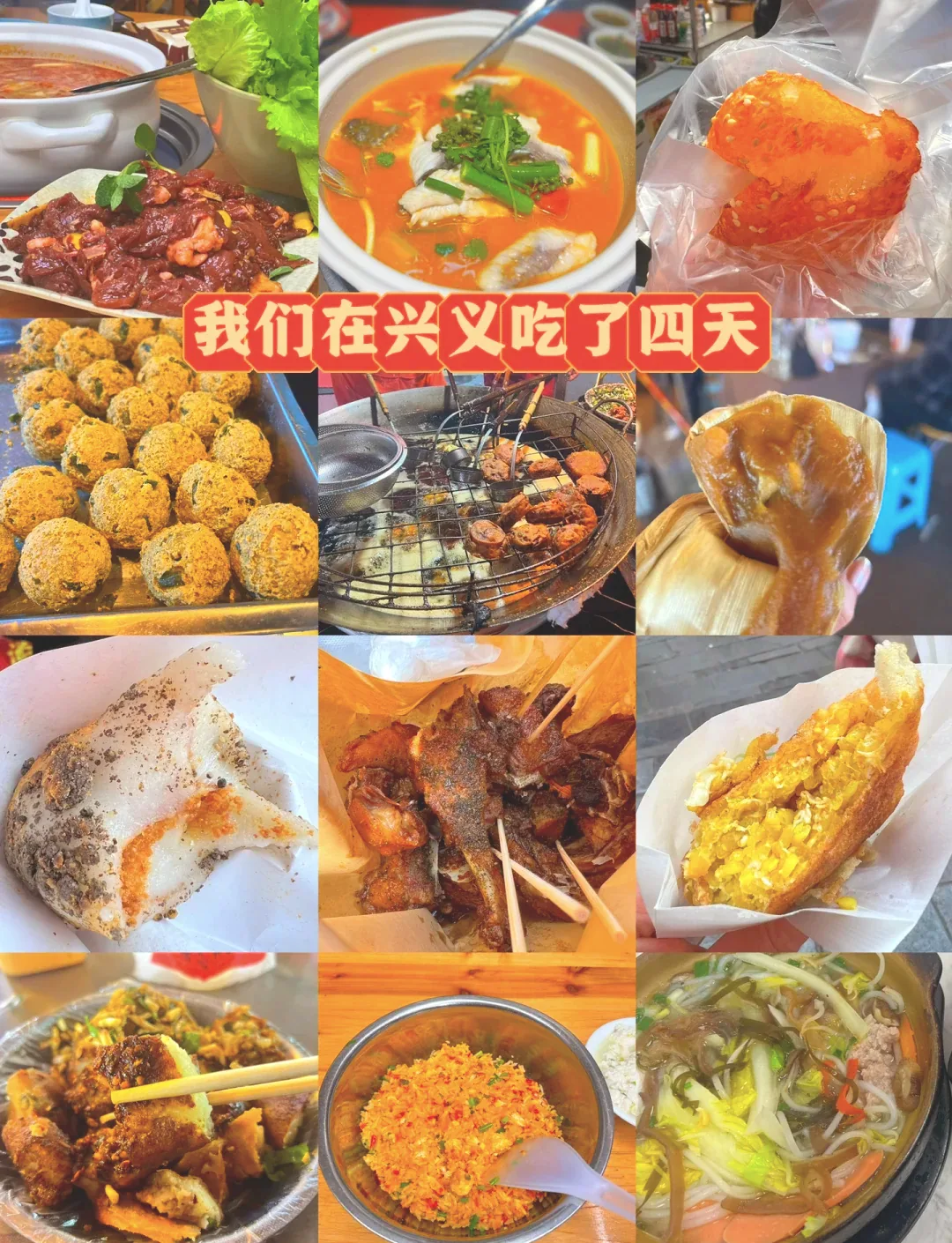
Around Wanfenglin, sour bamboo shoots, fried rice and Buyi-style home cooking are also easier to encounter. Rather than setting aside a separate “food day,” fold meals into the route: eat local breakfast and home-style dishes while staying near Wanfenglin, then use downtown meals for shuabato, chicken tangyuan and lamb noodles. It feels more like living in Xingyi for a few days than sweeping through a restaurant list.
For a more detailed Xingyi-only plan, see Is Xingyi Cool in Summer? A 3–5 Day Guide.
Weining: of the four places, this is where the plateau feels strongest
Weining often produces two opposite reactions. Some people see the roughly 18°C summer average and immediately rank it as Guizhou’s best summer destination. Others hear that average elevation is around 2,200 meters and decide that a family trip must be too difficult.
Both conclusions arrive too quickly.
On my own trip to Caohai, I walked, photographed birds, and ate local potato dishes and lamb hotpot. The strongest impression was not simply “cold.” The whole environment changes with altitude: the sky feels larger, the wind is more direct, the sun can be intense, and the temperature drops quickly when cloud arrives. You can feel sun exposure and cool air at the same time, which is very different from sitting in the shade in Guiyang.
A 2026 General Administration of Sport of China article describes Weining at around 2,200 meters average elevation and about 18°C average summer temperature. That is attractive for people who suffer in heat, but it is also a reason not to arrive and immediately schedule a hard workout.
Caohai is not a conventional “big scenic area”; it rewards staying slow
What I liked most about Caohai was not entering a gate, taking a photo and leaving. The wetland sits close to everyday county life. Walking nearby brings water, reeds, wind and high-altitude sky into the same field of view, and the pace naturally drops.
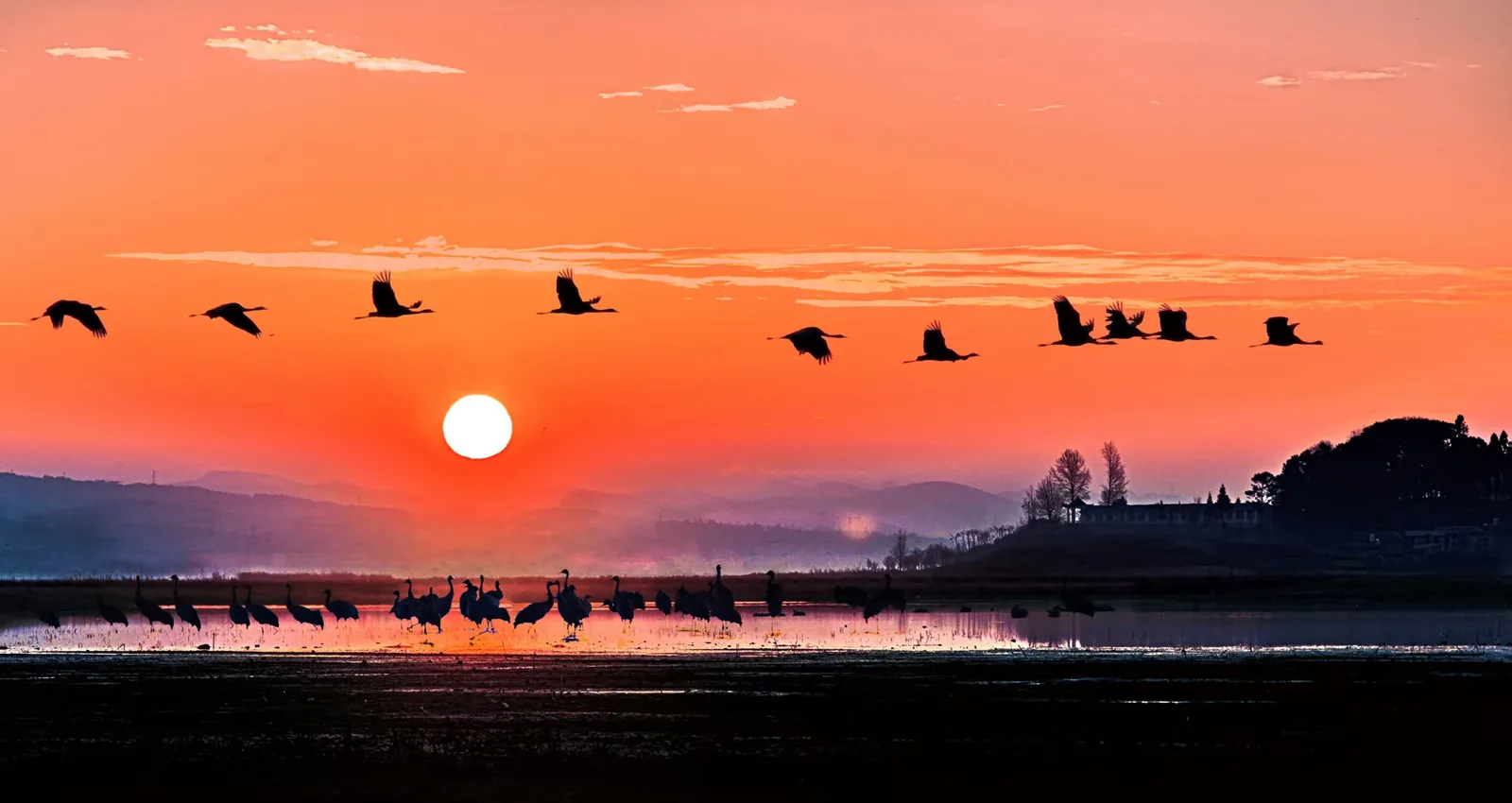
I mainly walked and watched birds. People also run and cycle around the Caohai area, but I have not completed a full circuit and do not present it as a personally tested route. If running or cycling is part of the appeal, the high-altitude environment is interesting, but the first one or two days should still be used to see how the body responds before increasing intensity.
For photography and birdwatching, Weining is also visually different from Xingyi. Xingyi gives you karst peaks, fields, canyon and lake. Weining gives you wetland, open water, grass, wind and plateau light. You may not collect a long list of “major sights” in one day, but people who enjoy staying put often find it more durable than a famous scenic area.
Where to stay and what to eat in Weining matter more than chasing a hotel beside the wetland
For a first visit, staying in the county town is the simplest base. Food, shopping and rest are easier, and Caohai or nearby areas can be chosen according to weather instead of turning lodging into another logistical problem.
Weining’s food fits its plateau environment. Potatoes are hard to avoid and appear in many forms, both as snacks and as part of a meal. I ate local potatoes there, and I also had lamb hotpot. Once the evening air turns cool, a hot pot of lamb feels very different from eating the same thing in a lowland summer city.
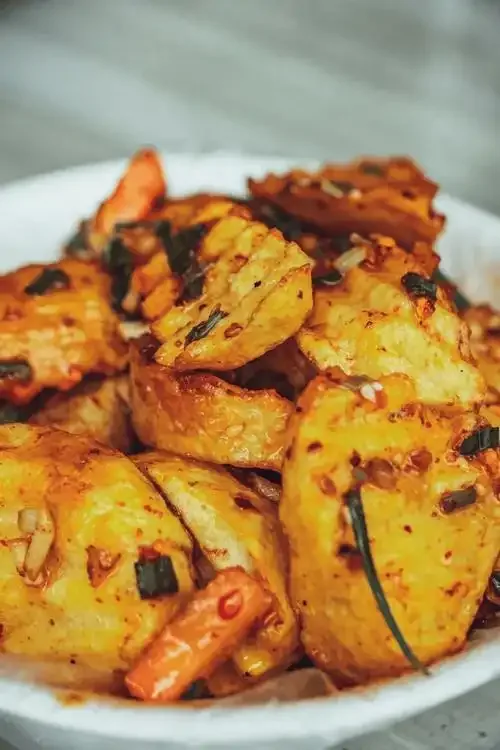
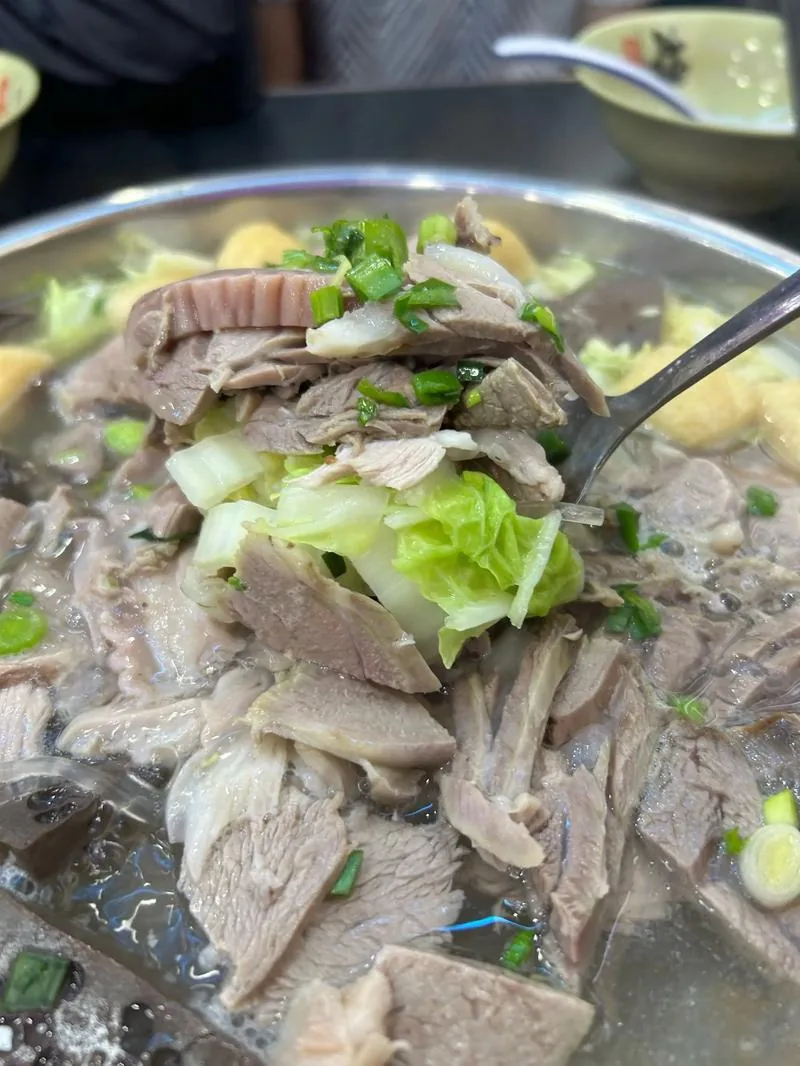
Weining and the wider Bijie area also have buckwheat foods, including tartary buckwheat pastries and noodles. Public agricultural-product materials repeatedly list Weining potato and buckwheat products among local specialties. They are not necessarily foods worth queuing for as viral attractions, but they say a lot about the agricultural and food culture of the plateau.
Weining is compelling if you are very sensitive to heat and enjoy wetlands, photography, birdwatching, walking or a slower long stay. If the group includes older people, young children or anyone who reacts strongly to altitude, do not let the 18°C figure make the decision by itself.
For the more personal field notes, see Weining Caohai: Plateau Wind, Temperature Swings and Turning Back.
Put the four places side by side and the differences become much clearer
Once the destination itself is understood, the temperature figures become more useful.
Guiyang averages about 22.3°C in summer. It is not the coldest of the four, but it has the strongest combination of airport, high-speed rail, metro, hospitals, shopping, evening food and short nearby trips. It works for first-time visitors, short trips, larger groups and itineraries that need to change quickly with the weather.
Liupanshui averages around 19.7°C and offers more stable cool-weather living. Its strongest format is not a two-day sightseeing sprint but a stay. The central city handles everyday life, while Meihuashan, Yeyuhai and Wumeng Grassland are arranged separately. Spending two days of a week doing nothing more ambitious than walking in town, eating lamb noodles and having laoguo at night is not wasted time.
Xingyi is warmer than Liupanshui and Weining but has the richest landscape combination. Wanfenglin works for staying, Maling River Canyon for a more physical outing, and Wanfeng Lake for a slower water day. Add lamb noodles, shuabato and chicken tangyuan, and a multi-day trip can feel different every day. It is more of a “summer travel” destination than a pure “summer long-stay” destination.
Weining is the coolest and the most obviously high-altitude. Caohai, wind, wetland and lower temperatures give it strong identity, but altitude, ultraviolet exposure and larger day-night temperature swings are part of the same package. Some people find that perfect; others feel more tired than they would in Guiyang on the very first day.
If I had to compress the decision into one rule: for only three or four days, choose Guiyang first; for a quiet stay of a week or longer, look seriously at Liupanshui; for cooler weather plus varied mountain-and-water sightseeing, choose Xingyi; for people who are genuinely heat-sensitive and enjoy high-altitude wetland life, consider Weining.
Three days, seven days and half a month produce different answers
With three days, hotel changes are the enemy. Guiyang is simplest for a first trip. If Guiyang is already familiar and you want a completely different landscape, go directly to Xingyi and focus on Wanfenglin plus Maling River Canyon instead of forcing Wanfeng Lake into the same short trip.
Five to seven days is where Liupanshui and Xingyi become easier to enjoy. In Liupanshui, stay in the central area and separate Meihuashan and Yeyuhai. If Wumeng Grassland is the real priority, adjust the lodging plan instead of making a long round trip from central Liupanshui every day. In Xingyi, staying near Wanfenglin lets you spread the peaks, canyon and lake across separate days and still leave half a day with no agenda at all.
Fifteen days or more becomes a long-stay decision rather than a normal sightseeing trip. Guizhou’s 2026 tourism strategy continues to promote residential stays of 15 days or longer. At that point, rent or long-stay hotel pricing, markets, healthcare, laundry, local transport, groceries and noise matter more than the number of 5A scenic areas. From that perspective, Guiyang and Liupanshui are easier for a wider range of people, while Weining and Liupanshui can be more attractive when quiet and low temperatures are the main goal.
Is late August still worth it? Yes, but Guizhou summer travel is never only about temperature
As the school summer holiday approaches its end, Guizhou is still a strong summer destination. The more important variables are rain, severe convection, geological-hazard warnings and whether scenic areas are operating normally on the day you go.
China’s Ministry of Culture and Tourism continues to advise summer travelers to check weather along the route and avoid undeveloped or closed areas without adequate safety protection. That matters especially in Guizhou. Maling River Canyon, water routes, mountain grasslands, river valleys and informal trails can all change quickly with weather. If conditions are wrong, change the plan rather than forcing a route because the hotel is already booked.
That is also why I prefer to think of a Guizhou summer trip as living somewhere with many substitutes instead of completing one “must-see” every day. Rain in Guiyang can become a city day. In Liupanshui, a grassland trip can be replaced with rest in town. In Xingyi, canyon and Wanfenglin days can swap positions. In Weining, strong wind or altitude discomfort can simply mean reducing activity. A plan that can retreat is usually the more comfortable plan.
For more Guizhou outdoor routes, start at Lens · Outdoor. For rainy-season decision rules, read How I Decide Whether a Hidden Guizhou Route Is Worth Hiking. For a lower-cost half-day outing near Guiyang, see Gaopo Cloud Top. For canyon and water-route risk, use the Guanling glacial pothole route notes.
Sources
- Guiyang Government: Resource advantages of Guiyang (22.3°C average summer temperature)
- Guiyang Government: 2026 summer events and extended metro service
- Guiyang Government: 2026 summer night bus and tourism routes
- Guiyang Government: Guiyang dining and local food
- Guiyang Government: Siwawa
- Guiyang Government: Changwang noodles
- Liupanshui Government: 19.7°C summer average and summer tourism
- Liupanshui Government: Wumeng Grassland in summer
- Liupanshui Government: summer services for Meihuashan, Yeyuhai and other areas
- Liupanshui Government: Shuicheng Ancient Town, laoguo, lamb hotpot and lamb noodles
- Liupanshui Government: Shuicheng lamb rice noodles
- Wanfenglin Scenic Area: introduction and summer climate
- Wanfenglin Scenic Area: 2026 timed reservation and opening notices
- Maling River Canyon Scenic Area: transport, routes and summer visit information
- Guizhou CPPCC: Wanfenglin local culture and Xingyi specialty foods
- General Administration of Sport of China: Weining elevation around 2,200 m and summer average around 18°C
- Guizhou Government: Weining potato, tartary buckwheat pastries and buckwheat noodles
- Ministry of Culture and Tourism: 2026 rainy-season and summer travel safety advisory
More to Explore
Topic hub →AI Engineering Weekly
Production changes, real failures, experiments and new XBSTACK assets.

DISCUSSION
Questions, verification and corrections
Sign in to comment. Every new comment is reviewed before publication; while pending, it is visible only to you and the administrator.