

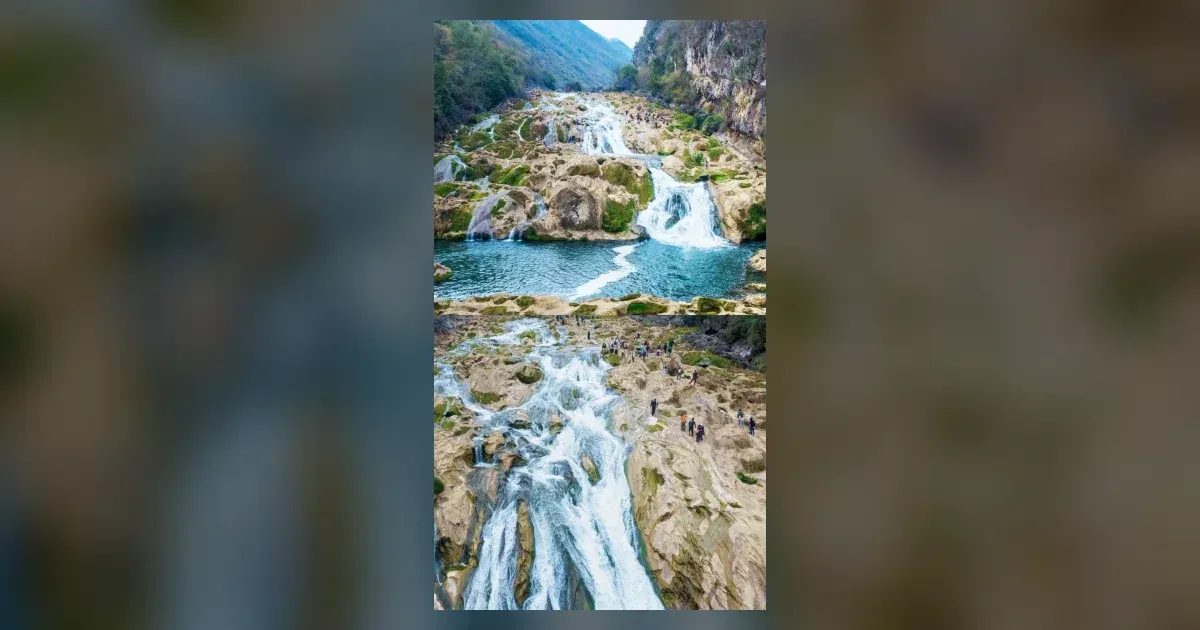
48 Hours at Guanling Glacial Potholes: Not a Filtered Secret, But a Stream-Access Canyon Route to Navigate with Care
A field guide to Guanling Glacial Potholes focusing on stream access, wet-rock hazards, water conditions, footwear, weather checks, and when to abandon the route.
On this page
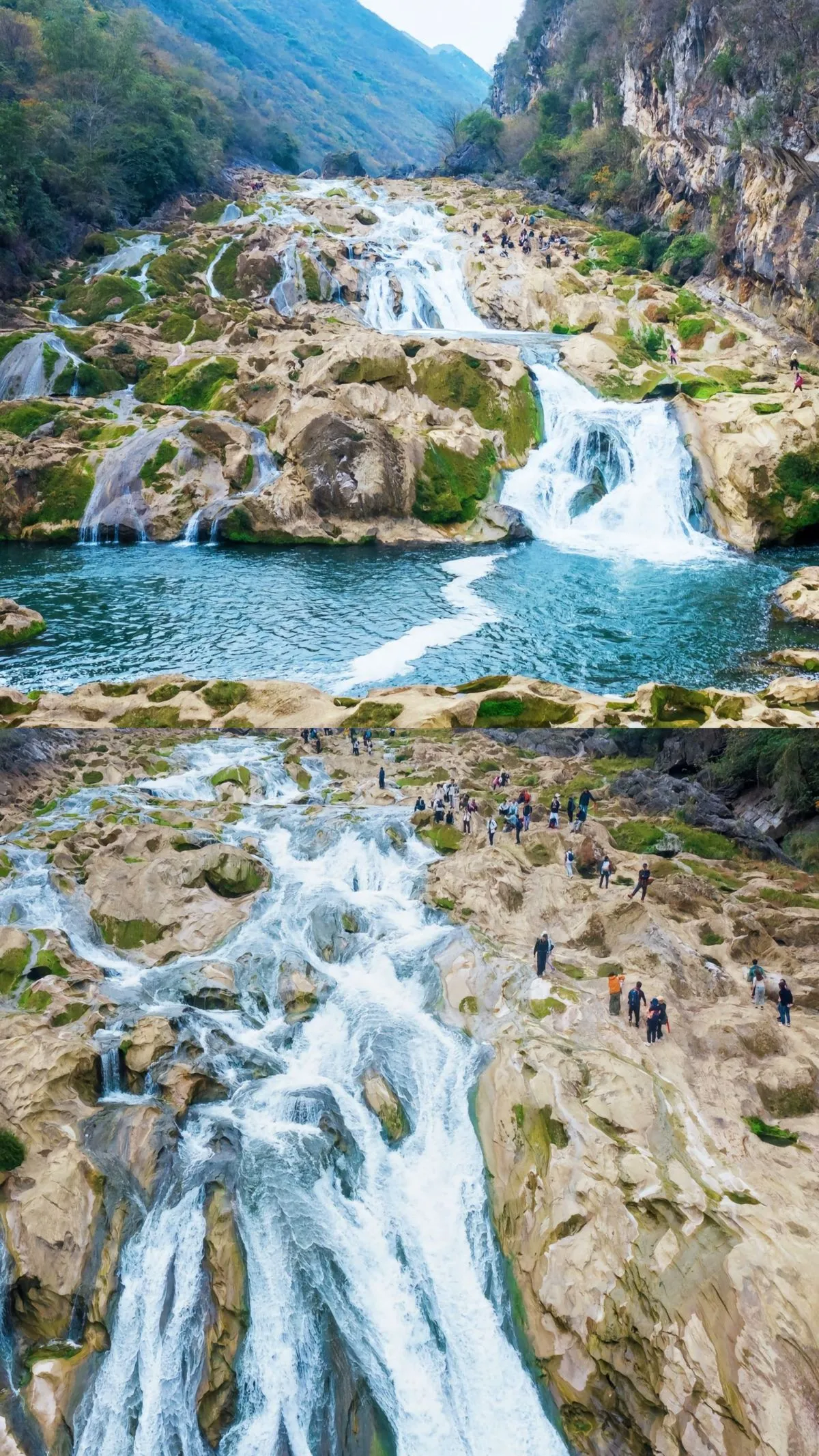
Guanling’s glacial potholes are easily packaged as “Guizhou’s secret water-play paradise.” I get the appeal. When summer hits, everyone wants to find water, seek relief from the heat, and look for a route that feels more alive than city air conditioning.
But once you’re actually on site, you’ll realize it’s not just about taking photos of rocks and water. It’s a water-adjacent canyon route that demands respect: the stones are slick, water levels fluctuate, shoe traction matters, and fitness gaps between companions become obvious very quickly.
I didn’t go to Guanling to write a pretty travelogue. Instead, I treated it like a 48-hour offline trip to debrief afterward. As a programmer, I’m used to building fault tolerance into systems; in a canyon, you have to build the same kind of buffer for your body, the weather, and the route.
Route Overview
| Item | Experience |
|---|---|
| Type | Water-adjacent canyon / Glacial pothole landform / Weekend road trip |
| Best Season | Summer for cooling off, but avoid periods before and after heavy rain |
| Key Gear | Anti-slip shoes, quick-dry clothing, rain jacket, waterproof bag, spare socks |
| Main Risks | Slippery surfaces, rising water, falls, phone water damage, return fatigue |
| Suitable For | Hikers with basic outdoor experience who can accept wet shoes and a slow pace |
First Impressions: The Rocks Feel More Intimidating Than Photos
Photos of glacial potholes usually look great: round stone basins, clear water, rock walls, sunlight. But the real site isn’t a static image. The sound of rushing water drowns out conversation, and the stones underfoot constantly remind you not to lose focus.
Many spots look walkable, but one wrong step and you slip. On surfaces covered by a thin film of water, danger is invisible to the naked eye. The more rushed you are, the more likely you are to run into trouble.
When I stood on a stone polished smooth by water, my first thought wasn’t “how beautiful,” but “falling here would be a major hassle.” That reaction might sound like a buzzkill, but veteran outdoorspeople know that being able to kill the mood early determines whether you make it home intact.
Why Regular Sneakers Aren’t Recommended
You can wear regular sneakers, but they’re uncomfortable.
The problem isn’t that they can’t handle flat ground; it’s that on mixed terrain of wet rocks, mud, water edges, and gravel, they don’t give you stable feedback. When your sole slips, your knees and palms pay the price.
I recommend shoes with good grip, fast drainage, and that you don’t mind getting dirty. Don’t wear brand-new shoes, and don’t wear expensive ones you’re afraid to submerge. The most important thing about outdoor gear isn’t its specs—it’s whether you’re willing to let it see action.
I keep spare socks and a plastic bag in my pack. It sounds primitive, but you’ll thank me on the way back. Wet socks sticking to your feet for two or three hours makes people irritable and significantly increases fatigue.
Guanling Is for Slow Walking, Not Rushing
Water-adjacent routes have one characteristic: speed is hard to maintain.
You think you’re just walking along the water, but every few steps you have to judge where to place your feet. Someone wants to take photos, someone wants to wade in, someone hesitates because their shoes got wet. The group’s rhythm gets interrupted constantly.
So when going to Guanling, don’t pack your itinerary too tightly. Don’t plan one spot in the morning, another in the afternoon, and then rush back to Guiyang at night. Otherwise, every location just becomes a check-in.
I prefer giving it a full day, or even two days and one night. Arrive slowly on day one, find a place to stay, enter the canyon early on day two, and retreat conservatively in the afternoon. You’ll feel more relaxed and actually see what the rocks and water look like.
Photography Tips
For places like Guanling, the biggest mistake in photos is only capturing people standing on rocks. People can certainly be in the frame, but what’s worth photographing more is the relationship between the water and the stones.
You can shoot from a low angle to capture how the water flows around the shape of the potholes, or photograph wet footprints near your feet, textures on the rock walls, or your backpack resting on the bank. Authentic outdoor photos don’t need to be “epic shots”; they should convey what you experienced on site.
If using a smartphone, be careful not to hold it over the water surface for too long just to get one angle. Many people don’t fall because they slip; their phones fall in first, and then they slip while trying desperately to retrieve them.
Retreat Criteria for Water-Adjacent Routes
I set myself a few simple rules.
First, if it starts raining, immediately assess whether to retreat. Do not continue deeper into the canyon.
Second, if companions show obvious fatigue, slipping frequency increases, or they become quiet, do not push forward.
Third, if water levels obscure visibility, the path ahead requires hands and feet, and there’s no confidence in returning the same way, stop.
Fourth, if half the afternoon has passed, do not explore new side paths.
These standards aren’t cool, but they work. Outdoors isn’t always about reaching the destination. Being able to turn back according to plan is the most basic skill of a mature player.
What This Trip Reminded Me Of
What moved me most about Guanling’s glacial potholes wasn’t the “secret paradise” vibe, but the way it pulls you out of the city’s rhythm and then immediately demands that you pay attention.
In the city, many judgments can be delayed, needs can wait, and bugs can be fixed tomorrow. But on slippery rocks, there is no room for hesitation. Where you place your foot, your body gives immediate feedback.
This is why I love the outdoors. It doesn’t listen to your excuses or care about your persona. Whether you’re truly prepared is immediately revealed by your shoes, knees, backpack, and stamina.
So, Guanling is worth visiting, but don’t go lightly. Treat it as a water-friendly canyon route rather than a set of viral photos, and you’ll have a safer and more comfortable experience.
Keep Going
Next step: continue with related field evidence
Full decision path →Follow the next route, condition, gear, or firsthand record that helps make a real decision.

DISCUSSION
Questions, verification and corrections
Sign in to comment. Every new comment is reviewed before publication; while pending, it is visible only to you and the administrator.